

Wrought Iron vs. Steel Doors: What You Are Really Buying and Why It Matters
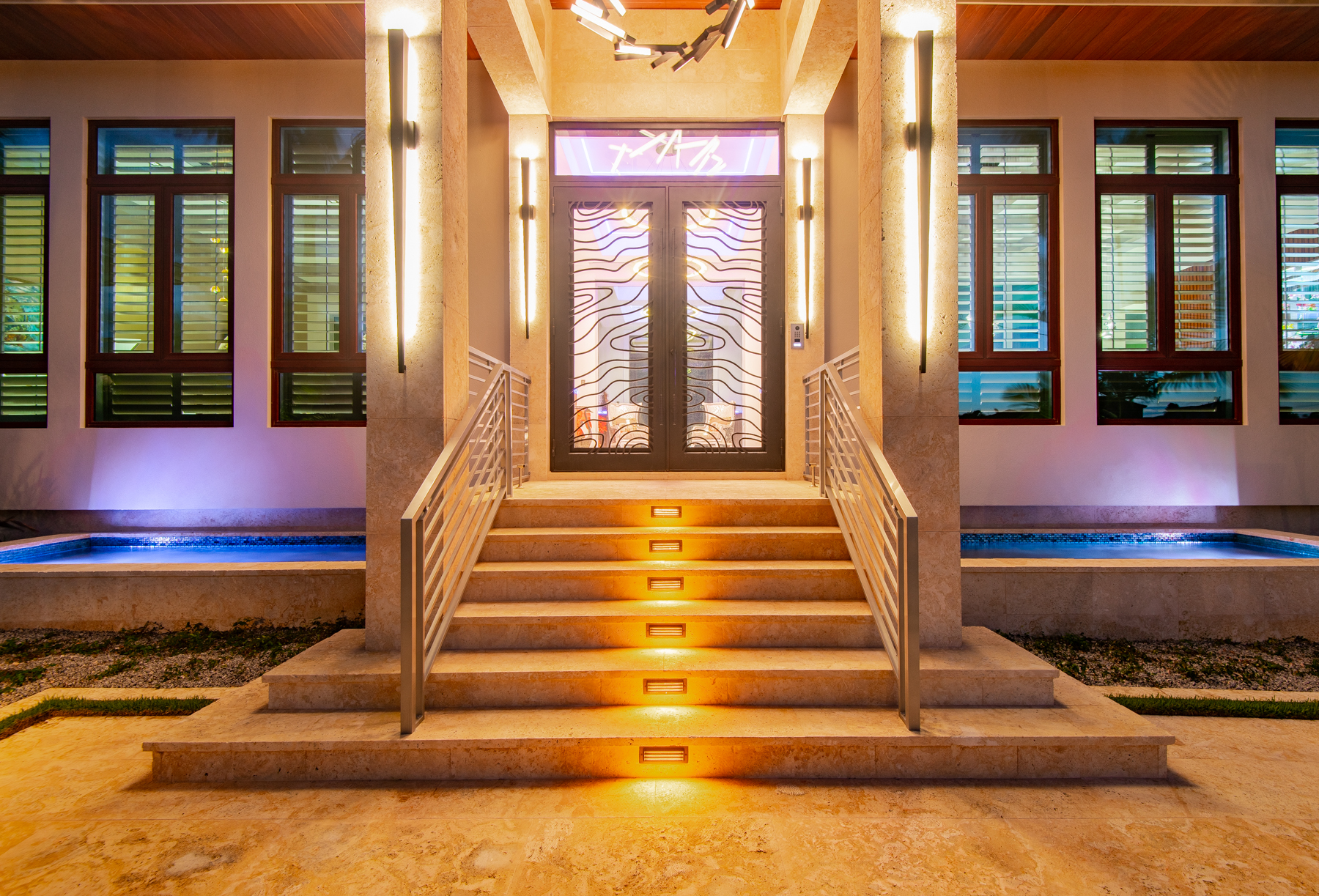
Walk through any upscale neighborhood in Florida, and you will see them: dramatic entryways with ornate scrollwork, deep finishes, and glass that catches the light. Most people call them wrought iron doors. But if you have started shopping, you have probably noticed that some companies talk about iron, others talk about steel, and a few use both words in the same sentence. So what are you actually buying?
At Handcrafted Iron Doors, we get this question all the time from homeowners in Sarasota and across Florida. The honest answer is simpler than most people expect, and understanding it will help you compare quotes, avoid low-quality products, and choose a door that will look beautiful for decades.
What “Wrought Iron” Actually Means Today
The word “wrought” simply means worked. Historically, wrought iron was a nearly pure form of iron that blacksmiths heated and hammered into shape. It was tough, malleable, and ideal for decorative work, which is why it became the classic material for gates, railings, and ornate architectural details.
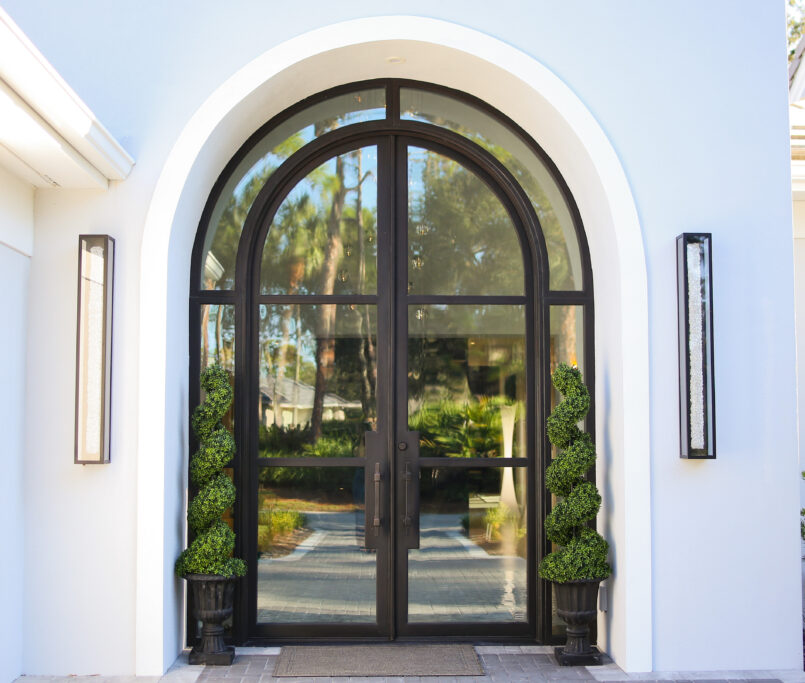
Here is the part most buyers never hear: true wrought iron is no longer produced on a commercial scale. Mild steel replaced it more than a century ago because steel is stronger, more consistent, and far more practical to manufacture. Today, the term wrought iron describes a style and a craft rather than a specific raw material. When you see wrought iron doors on a modern home, you are almost always looking at steel that has been forged, shaped, and finished to capture that traditional look. Our traditional collection is a good example of how that classic style is still created today.
Why Modern Iron Doors Are Made From Steel
This is not a downgrade. It is the reason today’s iron doors can do things the old material never could. Steel gives a door a rigid, durable frame that resists warping and supports large panels of glass. It can be welded cleanly, shaped into intricate designs, and engineered to meet the demanding wind and impact requirements of coastal Florida.
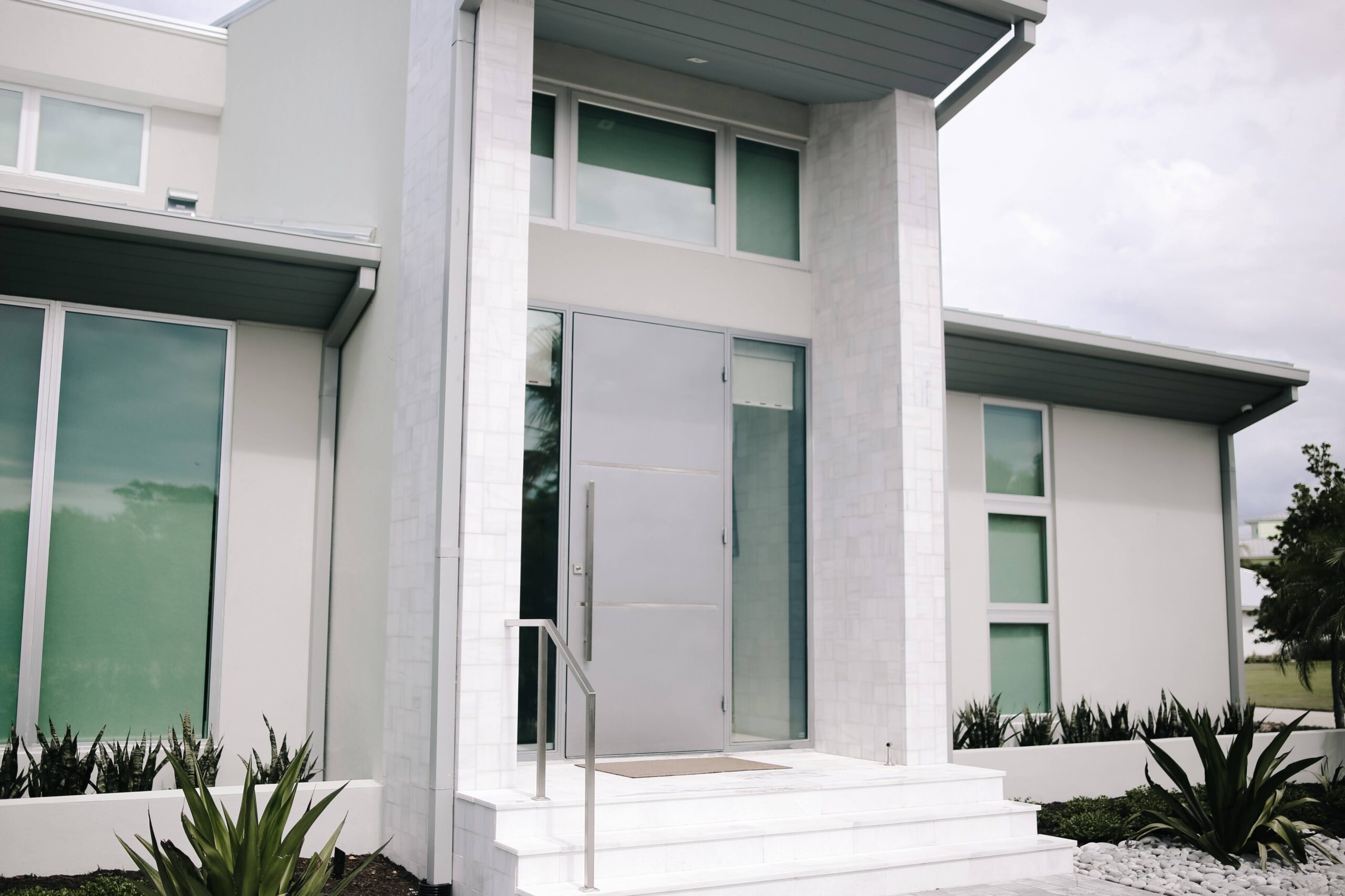
That is why the terms iron metal doors, steel entry doors, and wrought iron doors are often used interchangeably in the industry. They describe the same family of products. What separates a great door from a disappointing one is not the label. It is the thickness of the steel, the quality of the craftsmanship, and the components built into the door. The same strength makes steel ideal for a large steel pivot door, where the door must carry significant weight on a single pivot point. You can explore that design on our pivot doors page.
Steel Gauge: The Number That Matters Most
If you remember one thing from this guide, make it gauge. Steel gauge measures thickness, and the scale runs backward: the lower the number, the thicker and stronger the steel. Many mass-market metal doors use thinner gauges that can dent, flex, or feel hollow when you knock on them.
At Handcrafted Iron Doors, our doors and frames are built from 12-gauge steel, which gives them the solid weight and rigidity you expect from premium exterior iron doors. When you compare quotes, ask every company for the gauge of both the door slab and the frame. If a seller cannot or will not answer, treat that as a warning sign. Gauge directly affects security, durability, and how well the door holds up over years of daily use.
Hand-Forged Craftsmanship vs. Mass-Produced Doors
Two doors can look similar in a photo and feel completely different in person. Mass-produced doors often use stamped or cast decorative pieces that are attached to a flat panel. They tend to look uniform and lack depth. Hand-forged work, by contrast, is shaped individually, which creates natural variation, crisp detail, and a sense of dimension that you notice the moment you see the door up close.
Craftsmanship also shows up in places you might not think to look, such as weld quality, how cleanly the glass is set, and how evenly the finish is applied in corners and along scrollwork. This is why custom iron doors are worth seeing before you buy. Browsing our CAD catalog is a helpful way to compare design details before you visit in person.
How Iron Front Doors Handle Florida Weather
Florida is tough on any entryway. Intense sun, heavy rain, high humidity, salt air near the coast, and hurricane season all put a front door to the test. Well-built iron front doors are designed for these conditions. Our doors pair heavy-gauge steel with hurricane-rated glass and protective scrollwork, and you can learn more on our hurricane safety page.
Maintenance matters too, especially near the water. Coastal homeowners should clean their door more often to remove salt residue, using mild soap and water rather than harsh chemicals. A few minutes of care keeps the finish looking rich for years. Our cleaning and care instructions walk through the full routine.
Glass, Insulation, and Finish: What Makes a Door Perform
The steel frame is only part of the story. Glass affects privacy, light, energy efficiency, and storm protection. Our doors use Low-E glass, and many designs feature triple-pane glass that meets engineering requirements for hurricane-rated doors. You can compare styles on our glass options page.
Insulation is the next piece. For homes in colder climates, thermally broken iron doors add an insulating barrier between the inner and outer frame to reduce heat transfer and condensation. Finally, the finish protects the steel and defines the character of your entryway, so take time to compare our finishes in person when you can.
Questions to Ask Before You Buy
Whether you are replacing an old entry or designing iron front entry doors for a new build, a few questions will quickly separate quality from marketing. Ask what gauge steel is used for the door and frame. Ask whether decorative elements are hand-forged or cast. Ask what type of glass is included and whether it meets local wind and impact requirements. Ask how the door is insulated and sealed, and what the finish process looks like.
It is also worth asking who installs the door and what the warranty covers. Custom steel doors are a significant investment, and a reputable company will answer every question clearly. For a broader checklist, read our guide on what to consider before ordering a custom iron door.
Finding Wrought Iron Doors Near Me
If you have been searching for wrought iron doors near me or iron front doors near me in Sarasota, Bradenton, or anywhere in Florida, the best next step is to see and feel the difference in person. Our showroom in Sarasota lets you compare designs, glass, handles, and finishes side by side, and our team can help you design a door that fits your home and budget. Showroom visits are by appointment, so schedule a design appointment to get started. We also ship doors nationwide for homeowners outside Florida.
Frequently Asked Questions
Are wrought iron doors made of real iron? Most modern doors sold as wrought iron are made of steel that is forged and finished to look like traditional ironwork. True wrought iron is no longer produced commercially.
Is steel better than iron for a front door? For modern doors, yes. Steel is stronger, more consistent, and better suited to large glass panels and hurricane requirements than historic wrought iron.
What steel gauge should a quality iron door use? Thicker is better, and a lower gauge number means thicker steel. Our doors and frames use 12-gauge steel for strength and durability.
Will an iron door rust in Florida? A quality finish protects the steel, but coastal homes should clean doors regularly to remove salt residue. Prompt care helps prevent finish damage.
Do you install doors outside Sarasota? We serve communities across Florida and ship doors nationwide. Contact our team to discuss installation and delivery for your location.