


Exterior Iron Doors in Florida: Hurricane and Heat Guide
A front door in Florida does more work than a front door almost anywhere else. It faces hurricane winds, flying debris, hard sun, daily humidity, and, near the coast, salt that eats unprotected metal. A hollow wood or fiberglass slab was never designed for that list.
That is why homeowners keep asking about exterior iron doors. Done properly, an iron entry gives you strength, security, and a look that no catalog door can match. Done badly, it gives you rust, drafts, and an expensive mistake.
This guide covers what actually matters when you buy custom iron doors for a Florida home: storm protection, heat and salt, style, installation, care, and how to judge a local maker. If you are still at the research stage, our beginner’s guide to handcrafted iron doors is a good companion read.
Why Florida Is So Hard on Front Doors
Most door failures here come from four sources, and a good door has an answer for each.
- Wind and debris. A hurricane pushes and pulls on a door at the same time, and loose objects become projectiles.
- Sun and heat. Constant UV exposure fades paint and warps lightweight materials.
- Humidity. Moisture lingers in the air all year, which punishes any weak seam, coating, or hinge.
- Salt air. Homes near the Gulf deal with salt residue that speeds up corrosion if the finish is thin or neglected.
Wood swells, fiberglass cracks, and cheap steel rusts. Iron and steel built with the right engineering and finish hold up against all four. The key phrase is “built with the right engineering,” because a door is only as good as its frame, glass, hardware, and coating working together. Our post on enhancing your Florida home with custom iron doors shows how that plays out in real homes.
Hurricane Protection: What to Look For
Storm performance is not a feature you take on faith. Ask for specifics, and expect a clear answer on these three points.
Engineering. Handcrafted Iron Doors builds to Florida engineering requirements, with hurricane ratings on par with or better than the Miami-Dade hurricane impact code. That is the standard to hold any maker to. If a seller cannot explain how their door meets it, walk away.
Impact-rated glass. Glass is the weak point of most entry doors. Our standard doors include hurricane impact-rated glass, so a flying branch does not turn into an open wall. You can browse the options on our glass page.
Hardware. Hurricane bolts sit on the inside of the door at the top and bottom, and a double door gets two bolts at each location. They add holding power exactly where wind pressure tries to pry a door open.
One honest note: a strong door still needs a correct installation, so read our full hurricane safety information before you sign off on any design. Security matters year-round too, and our guide on how secure iron pivot doors are covers the everyday side of protection.
Beating Heat, Humidity and Salt Air
The finish is your door’s first line of defense against corrosion, so treat it as a core spec, not a color swatch.
Our finishes page lists 16 options, including dab, brushed, and sprayed versions of gold, copper, and silver, plus a solid black. Lighter and heavier applications of the dab and brushed styles give you control over how rich or subtle the metal looks. Pick the look you love, then confirm the coating and care plan with your door specialist before ordering.
Consider a thermal break. A thermal break places insulating material between the inner and outer frames to slow heat transfer. In air-conditioned Florida homes, that means less outdoor heat working its way inside and a more stable indoor temperature. Our guide to thermally broken iron doors explains when it is worth adding.
Plan for salt. If you live near the water, expect salt residue on the surface. Regular cleaning is the cheapest insurance you can buy, and we cover the routine in the care section below.
Choosing a Style for Your Entry
Strength is the baseline. Style is where the door earns its place on your home.
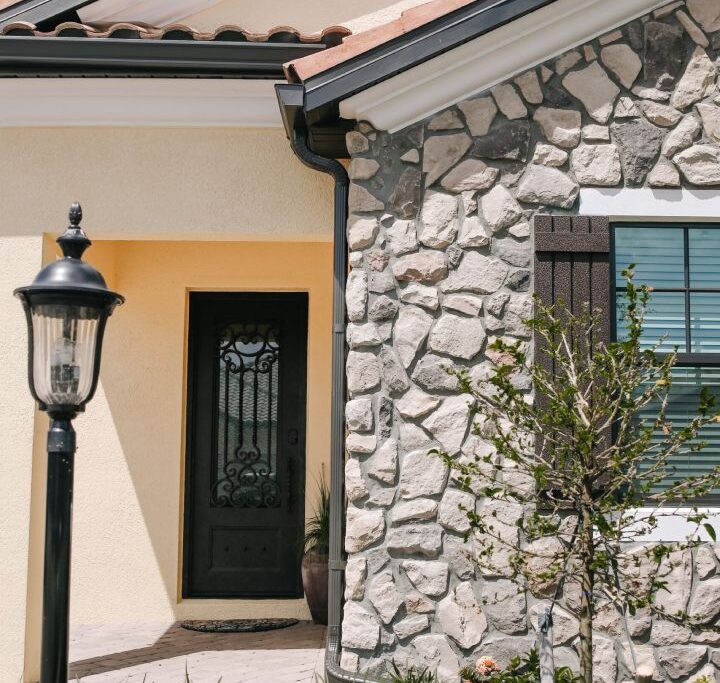
- Traditional. Ornate scrollwork and classic wrought iron doors suit Mediterranean and Old World homes. See the traditional collection.
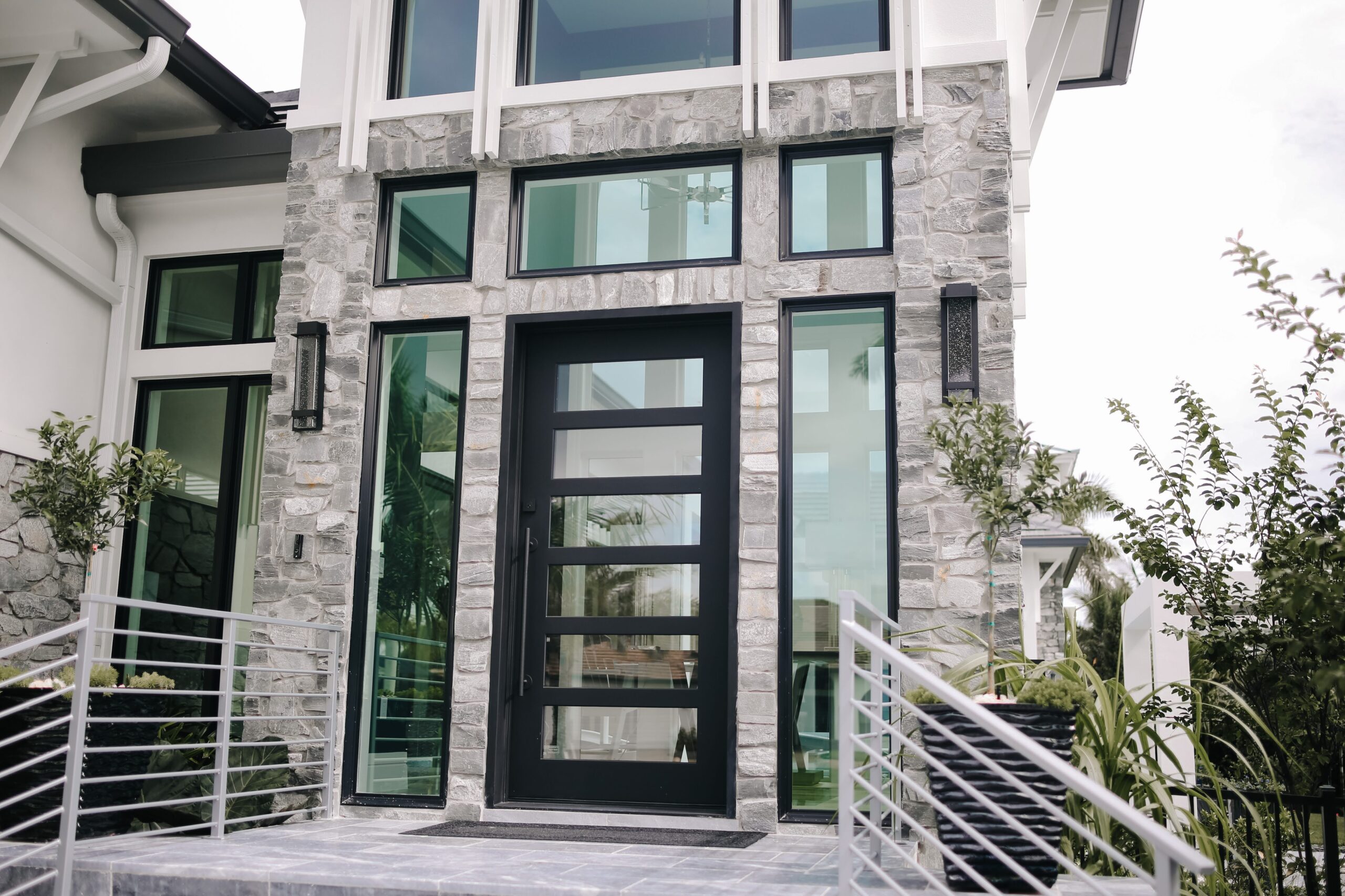
- Contemporary. Cleaner geometry and more glass work well for modern builds. Browse our contemporary designs and the Clean Line collection if you want minimal framing.
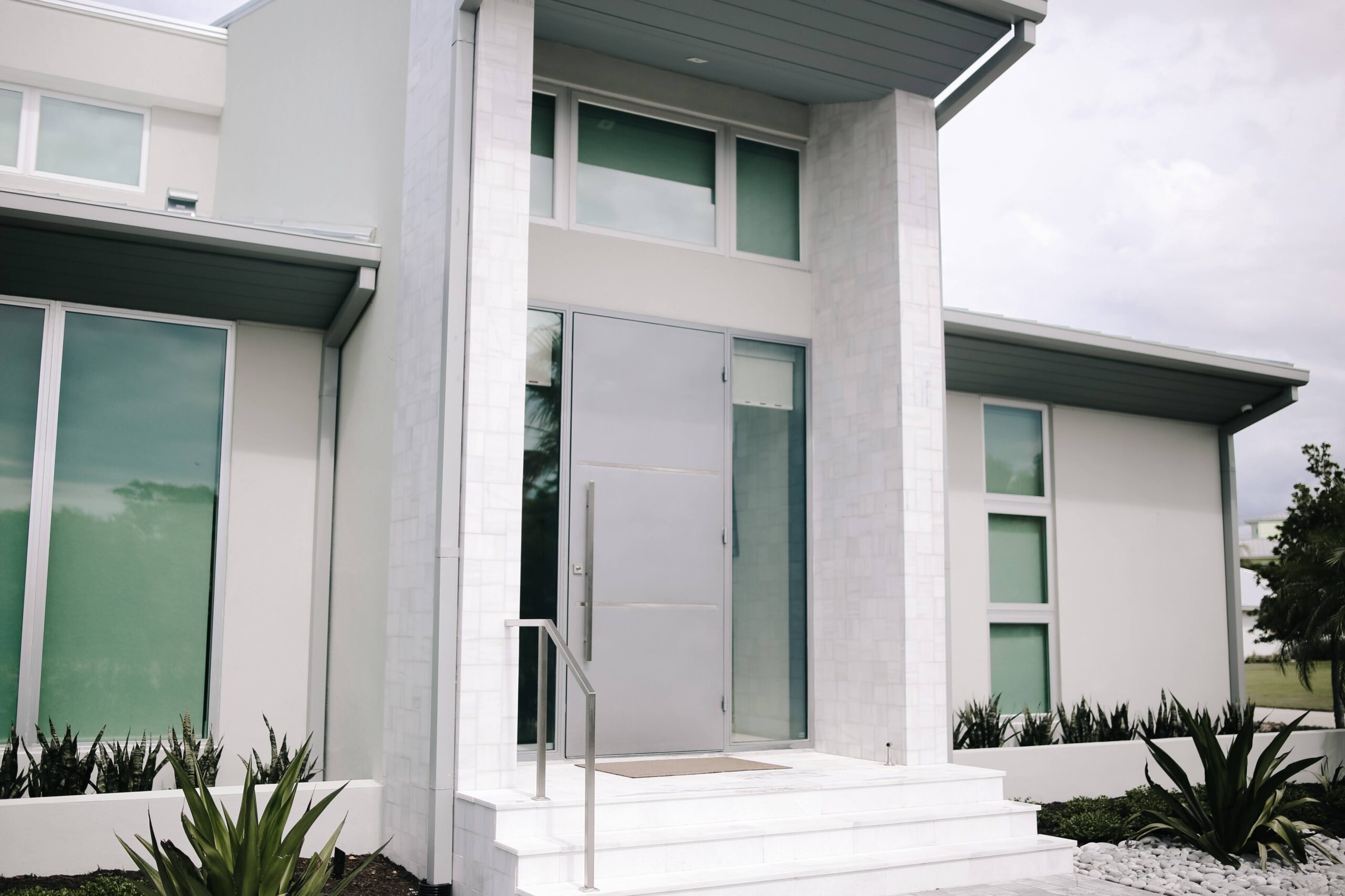
- Pivot. A pivot door rotates on a hidden axis and handles tall, wide openings that standard hinges struggle with. Learn more on our pivot doors page.
Handles and hardware finish the look. Our handles page shows the choices, and the gallery of iron door photos is the fastest way to see how a style looks on a real home. For a deeper look at the design process, read our post on customizing an iron door with glass, handles, and finishes.
Installation and Long-Term Care
Installation decides whether all that engineering pays off. Follow the manufacturer’s installation instructions and use an experienced installer. Remodel projects need extra care, so read our door replacement process FAQ first.
Care is simple, and skipping it is the fastest way to shorten a finish’s life. The routine from our cleaning and care instructions looks like this:
- Wipe the door with a soft towel dampened in warm water and mild dish soap.
- Rinse with a towel dampened in plain water, then dry with a clean towel.
- Avoid abrasive or harsh chemical cleaners, which can damage the finish.
- Use glass cleaner on the glass only, never on the iron.
- Once a year, lubricate hinges, handles, and other moving parts.
- On coastal homes, clean at least twice a month to stop salt from building up.
That is about as demanding as washing a car, and far cheaper than refinishing a neglected door.
Mistakes That Cost Florida Homeowners Money
These five errors show up again and again, and every one is avoidable.
- Buying on looks alone and never asking how the door handles hurricane loads.
- Treating glass as decoration when it is the most vulnerable part of the opening.
- Skipping the finish and care conversation, then finding salt damage a year later.
- Choosing a style that fights the architecture of the house.
- Hiring an installer who has never hung a heavy iron door.
A handful of direct questions, asked before you pay a deposit, prevents nearly all of them. If a seller dodges the questions, you have learned what you needed to know.
Finding Iron Doors Near You: Questions to Ask
Searching for iron doors near me returns plenty of sellers, but a local maker is only useful if they can answer hard questions. Before you commit, ask:
- How does the door meet Florida hurricane requirements, and can you explain it plainly?
- Is impact-rated glass standard or an upgrade?
- What finishes do you offer, and how should I care for them near the coast?
- What does the warranty cover?
- What are the lead times and shipping terms?
Compare answers, not just prices. Our checklist on what to consider before ordering a custom iron door goes deeper. Handcrafted Iron Doors is based at 8260 Consumer Court in Sarasota and serves the Sarasota and Bradenton area and the rest of Florida, with showroom visits by appointment.
Final Thoughts
The right exterior iron door protects your home in a storm, resists sun and salt, and looks better each year you own it. The wrong one costs you twice. Demand clear answers on engineering, glass, hardware, and finish, then commit to the simple care routine.
Ready to start? Schedule a design appointment with Handcrafted Iron Doors, or call 941-373-1922 for a free quote.
FAQs
Are iron doors good for Florida homes?
Yes, when they are engineered for it. Iron and steel resist the impact and wind loads that damage wood and fiberglass, and a proper finish handles humidity and sun.
Do your exterior iron doors meet hurricane requirements?
Our engineering targets hurricane ratings on par with or better than the Miami-Dade impact code, and standard doors include impact-rated glass and hurricane bolts.
Will an iron door rust near the coast?
A quality finish and regular cleaning keep rust in check. Coastal homeowners should wash the door at least twice a month to remove salt residue.
Do I need a thermally broken door in Florida?
It is optional, but the insulating break slows heat transfer and can help keep the indoor temperature steadier. Read our thermally broken iron doors page to decide.
Can I customize the size and style?
Yes. You can choose contemporary or traditional designs, plus glass, handles, and finishes, and request a custom size and shape.